How to Identify Antique Bottles
A Beginner’s Guide for Collectors
Antique bottles are among the most fascinating and collectible vintage items, offering a glimpse into everyday life from decades—and sometimes centuries—past. From medicine and soda bottles to rare advertising and utility glass, each bottle tells a story through its shape, color, and craftsmanship.
At Waterford Antique Market, antique bottles are a favourite among collectors because every piece is unique. If you’re curious about how to identify antique bottles, this guide will walk you through the key features to look for.
1. Look at the Bottle’s Seams
One of the easiest ways to identify an antique bottle is by examining the seams.
-
No seams or very uneven seams often indicate early hand-blown bottles (pre-1860s).
-
Seams that stop before the lip typically suggest mouth-blown bottles made before the early 1900s.
-
Seams that run all the way to the top usually indicate machine-made bottles from the mid-20th century onward.
Older bottles often show slight imperfections—these are a good sign of age, not flaws.
2. Examine the Bottle’s Lip or Finish
The lip (or “finish”) of the bottle can reveal a lot about how it was made.
-
Applied lips (added separately) are common on 19th-century bottles.
-
Tooled finishes suggest transitional production methods from the late 1800s.
-
Smooth, uniform lips are more typical of later machine-made bottles.
Uneven or slightly lopsided lips often point to earlier manufacturing methods.
3. Check for Pontil Marks
Pontil marks appear on the bottom of some early bottles and are left where the bottle was detached from the glass rod used during blowing.
Types of pontil marks include:
-
Open pontil (rough or scarred)
-
Sand pontil
-
Iron pontil
Bottles with visible pontil marks generally date to the mid-1800s or earlier and are highly desirable to collectors.
4. Pay Attention to Glass Colour
Glass colour can be a strong indicator of age and purpose.
Common antique bottle colours include:
-
Aqua – very common in early bottles
-
Amber or brown – often used for medicine or beer
-
Cobalt blue – highly collectible
-
Green or olive – common in wine and utility bottles
-
Clear glass – usually later production
Unusual or vibrant colours often increase a bottle’s value.
5. Look for Embossing and Lettering
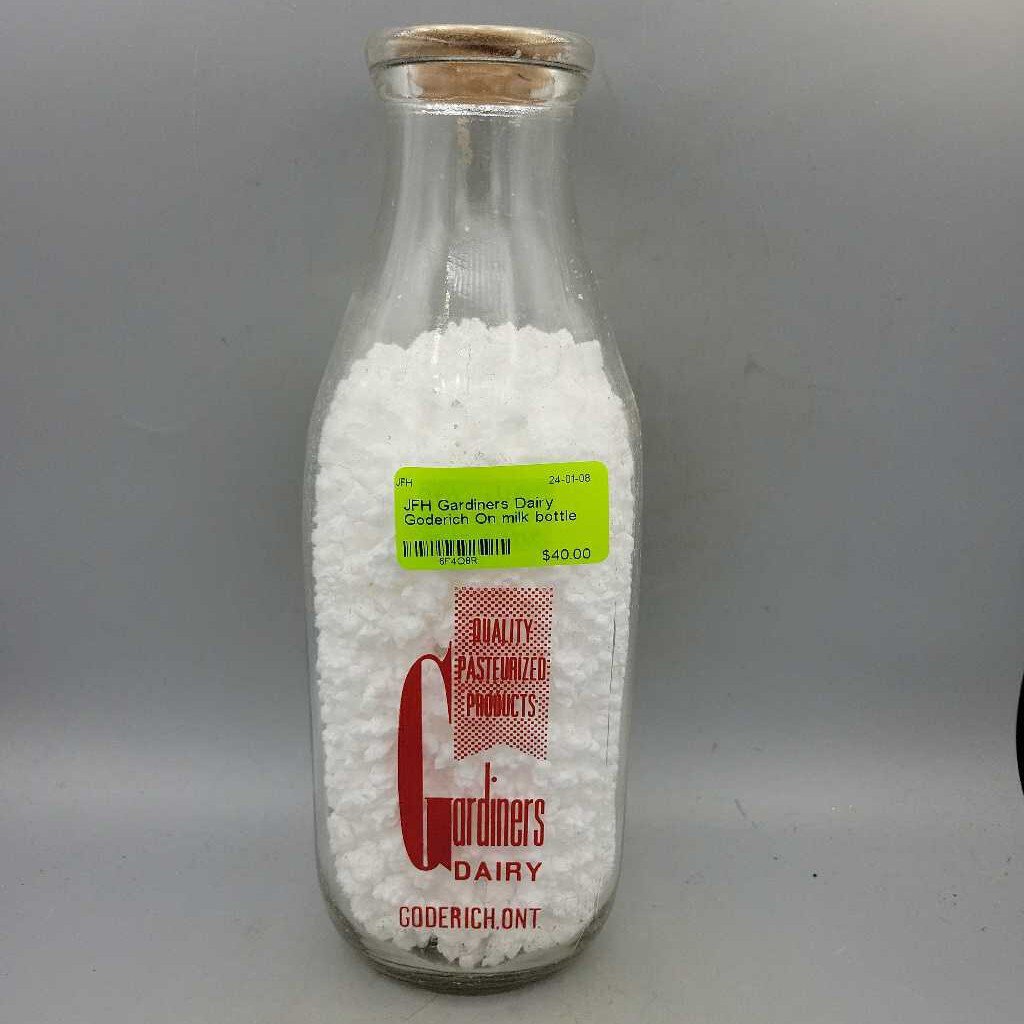
Many antique bottles feature embossed text, logos, or decorative elements.
Embossing may include:
-
Company names
-
Product descriptions (medicine, soda, ink, etc.)
-
Towns or regions
-
Decorative designs
Bottles embossed with local business names or early advertising are especially collectible and historically interesting.
6. Consider the Bottle’s Shape and Purpose
Bottle shapes evolved based on their intended use.
Common antique bottle types include:
-
Medicine and apothecary bottles
-
Soda and beverage bottles
-
Ink bottles
-
Perfume bottles
-
Food and condiment bottles
Unusual shapes, smaller production runs, or specialty uses often add to a bottle’s appeal.
7. Condition Matters—but Character Counts
While chips, cracks, or heavy wear can affect value, light wear is expected in antique bottles. Minor bubbles, waviness, or uneven thickness are signs of early glassmaking and often add character rather than detract from it.
Collectors value authenticity over perfection.
Finding Antique Bottles at Waterford Antique Market
At Waterford Antique Market, antique bottles are always changing. Each piece is one-of-a-kind, and availability is limited to what’s currently in stock. Whether you’re an experienced collector or just starting out, browsing antique bottles in person or online is one of the best ways to learn.
Once a piece is gone, it’s gone.
Final Thoughts
Identifying antique bottles takes time, curiosity, and hands-on experience. The more you examine different bottles, the easier it becomes to spot age, craftsmanship, and character.
If you’re looking to start or grow your collection, exploring antique bottles is a rewarding way to connect with history—one unique piece at a time.